Cat:ฟิล์มป้องกันเคลือบกาว
ความสามารถในสภาพอากาศที่ดีสำหรับการสัมผัสกลางแจ้ง ระดับการยึดเกาะที่มั่นคง ทนต่อรังสี UV ได้นานถึง 12 เดือน ...
ดูรายละเอียด 0086-13771122281
 sales@qidatape.com
 ภาษาอังกฤษ


ฟิล์มป้องกันสีเป็นชั้นใสและยืดหยุ่นที่ใช้กับแผงทาสี กระจก และส่วนตกแต่ง เพื่อปกป้องพื้นผิวด้านล่างจากเศษหิน รอยขีดข่วน สิ่งสกปรกบนถนน และความเสียหายจากรังสี UV โดยที่แทบจะมองไม่เห็น คู่มือนี้ครอบคลุมถึงแหล่งที่มาของฟิล์ม วิธีการติดตั้ง ฟิล์มกันรอยสีรถ ฟิล์มกันรอยกระจกหน้ารถ และฟิล์มกันรอยหน้าต่างที่ใช้ และสิ่งที่ต้องคำนึงถึงเมื่อเลือกผู้ผลิต
คำตอบสั้นๆ: ฟิล์มป้องกันสีซึ่งมักเรียกสั้น ๆ ว่า PPF คือแผ่นโพลียูรีเทนหรือ TPU บาง ๆ ที่มีการเคลือบทับหน้าด้วยตนเองและกาวที่ไวต่อแรงกด มันถูกติดตั้งทับสีโรงงาน ไฟหน้า กระจก กระจกหน้ารถ และหน้าต่าง เพื่อดูดซับแรงกระแทกที่อาจบิ่น รอยขีดข่วน หรือเป็นหลุมบนพื้นผิวเดิม
คืออะไร ฟิล์มป้องกันสี ในแง่การปฏิบัติ เป็นชั้นป้องกันโปร่งใส โดยทั่วไปมีความหนาระหว่าง 6 ถึง 8 มิลลิเมตร ทำจากเทอร์โมพลาสติก โพลียูรีเทน ภาพยนตร์เรื่องนี้ผลิตขึ้นเป็นม้วนขนาดใหญ่ จากนั้นจึงตัดด้วยมือหรือด้วยเครื่องคอมพิวเตอร์ ให้เป็นรูปทรงที่เข้ากับแผงของยานพาหนะแต่ละคัน ผู้ติดตั้งจะยืดฟิล์มไปตามส่วนโค้ง ตัดขอบ และพันรอบแนวลำตัว เพื่อที่ว่าเมื่อติดฟิล์มแล้วแทบจะมองไม่เห็นด้วยตาเปล่า
วัตถุประสงค์หลักของฟิล์มป้องกันสีคือการปกป้องเชิงกลมากกว่าการเสริมความสวยงาม สีจากโรงงานบนรถยนต์สมัยใหม่มีความหนาเพียงไม่กี่ร้อยไมครอน และการเคลือบใสที่ให้ความเงางามนั้นบางลงด้วยซ้ำ กรวดชิ้นเดียวที่ถูกเตะขึ้นมาจากถนนด้วยความเร็วทางหลวงสามารถทะลุผ่านชั้นเคลือบใสนั้นได้ในทันที ฟิล์มป้องกันสีจะอยู่ด้านบนของสีและดูดซับพลังงานที่ส่งผลกระทบแทน ดังนั้นชิปจึงตกลงบนฟิล์มและสีที่อยู่ด้านล่างยังคงสภาพเดิม ตลอดระยะเวลาการเป็นเจ้าของตามปกติ ชั้นเดียวนี้สามารถป้องกันเศษเล็กๆ หลายร้อยชิ้นที่อาจสะสมทีละชิ้นจนกว่าสีจะดูสึกหรออย่างเห็นได้ชัด
เทอร์โมพลาสติกโพลียูรีเทนหรือฟิล์ม TPU ที่มีชั้นบนสุดที่สามารถซ่อมแซมตัวเองได้ ชั้นฐานที่มีความเสถียรของสีเสริม และกาวอะคริลิกที่ยึดติดกับพื้นผิวที่ทาสีหรือกระจก
ดูดซับแรงกระแทกจากเศษหิน เศษถนน กรดแมลง มูลนก และรอยขีดข่วนเล็กน้อย และปิดกั้นรังสี UV จำนวนมากที่ทำให้สีซีดจาง
ใช้กับฝากระโปรง บังโคลน กันชน กระจก ขอบประตู ไฟหน้า แผงโยก กระจกบังลม และกระจกด้านข้างหรือด้านหลัง ขึ้นอยู่กับแพ็คเกจที่เลือก
ผู้ที่ค้นหาว่าฟิล์มป้องกันสีคืออะไรมักจะพยายามแก้ไขปัญหา 1 ใน 2 ประการนี้ ไม่ว่าจะเป็นการเห็นเศษหินหรือรอยขีดข่วนบนตัวรถแล้วและต้องการป้องกันไม่ให้เกิดขึ้นอีก หรือกำลังสั่งซื้อรถใหม่เอี่ยมและต้องการปกป้องสีรถก่อนออกวิ่งระยะทางแรก ในทั้งสองกรณี ภาพยนตร์เรื่องนี้ทำหน้าที่เป็นเครื่องกีดขวางการบูชายัญ ได้รับการออกแบบมาเพื่อรับความเสียหาย ดังนั้นจึงไม่จำเป็นต้องทำสีเดิมจากโรงงาน
ฟิล์มป้องกันสีมีความแตกต่างจากการพันฟิล์มในลักษณะที่สำคัญประการหนึ่ง ฟิล์มไวนิลใช้เพื่อเปลี่ยนรูปลักษณ์เป็นหลัก และไม่ได้ออกแบบมาเพื่อต้านทานการกระแทกลึก ฟิล์มป้องกันสีได้รับการออกแบบทางวิศวกรรมมาเป็นอันดับแรกเพื่อความทนทานและการดูดซับแรงกระแทก และการที่แทบจะมองไม่เห็นด้วยซ้ำคือสิ่งที่ช่วยให้สามารถปกป้องรถได้โดยไม่ต้องเปลี่ยนรูปลักษณ์ของรถ นี่คือเหตุผลที่ผู้ติดตั้งบางครั้งเรียกมันว่าบราแบบใส เพราะมันทำหน้าที่เหมือนชั้นป้องกันที่เคลือบทับสี แทนที่จะเป็นชั้นเคลือบเครื่องสำอางในตัวมันเอง การทำความเข้าใจความแตกต่างนี้ช่วยให้ผู้ซื้อสามารถสอบถามผลิตภัณฑ์ที่เหมาะสมได้เมื่อพูดคุยกับผู้ติดตั้งหรือผู้ผลิต
ฟิล์มป้องกันสีถูกสร้างขึ้นเป็นชั้นๆ และแต่ละชั้นมีหน้าที่เฉพาะ การทำความเข้าใจโครงสร้างนี้อธิบายได้ว่าทำไมฟิล์มถึงโดนกระแทกซ้ำๆ จากเศษซากถนน และยังคงดูสะอาดตาในอีกหลายเดือนหรือหลายปีให้หลัง
ชั้นบนสุดเป็นโพลียูรีเทนรักษาตัวเองได้ซึ่งตอบสนองต่อความร้อน ไม่ว่าจะจากแสงแดดหรือจากน้ำอุ่น โดยจะไหลกลับเป็นรูปร่างหลังจากมีรอยหมุนวนเล็กน้อยและรอยขีดข่วนเล็กๆ นี่คือชั้นที่ช่วยให้พื้นผิวมันเงาตลอดอายุการใช้งานหลายปี
เนื้อโพลียูรีเทนหลักของฟิล์มให้ความหนาและความยืดหยุ่น โดยจะยืดไปตามส่วนโค้งระหว่างการติดตั้งโดยไม่ฉีกขาด และช่วยให้ฟิล์มมีความเหนียวในการดูดซับแรงกระแทกจากกรวดหรือเศษซากถนน
กาวอะคริลิกไวต่อแรงกดจะยึดฟิล์มกับพื้นผิวหรือกระจกที่ทาสี กาวคุณภาพได้รับการออกแบบมาให้สามารถลอกออกได้ในปีต่อมา โดยไม่ทำให้ชั้นเคลือบใสหรือทิ้งสารตกค้างไว้เบื้องหลัง
แผ่นรองพื้นช่วยปกป้องกาวก่อนการติดตั้ง และจะลอกออกและทิ้งเมื่อฟิล์มถูกวางบนแผง
ในระหว่างการติดตั้ง ฟิล์มจะถูกพ่นด้วยน้ำยาสลิปเพื่อให้สามารถวางตำแหน่งได้โดยไม่เกาะติดก่อนเวลาอันควร จากนั้นจึงปาดเพื่อเอาน้ำยาและอากาศที่ติดอยู่ออก และสุดท้ายก็ให้ความร้อนเพื่อให้ฟิล์มติดแน่นกับส่วนโค้ง เส้นลำตัว และขอบ
พฤติกรรมการซ่อมสีด้วยตนเองควรได้รับการพิจารณาอย่างใกล้ชิด เนื่องจากเป็นคุณสมบัติที่แยกฟิล์มกันรอยสีออกจากแผ่นพลาสติกธรรมดาเป็นส่วนใหญ่ สีเคลือบด้านบนสูตรด้วยโครงสร้างโพลีเมอร์ที่นุ่มพอที่จะไหลเล็กน้อยเมื่อได้รับความร้อนสูงกว่าอุณหภูมิที่กำหนด รอยขีดข่วนเล็กน้อยจะโค้งงอและแทนที่โพลีเมอร์นั้นแทนที่จะตัดทะลุผ่าน ดังนั้น เมื่อความร้อนถูกส่งกลับจากแสงแดด ปืนความร้อน หรือน้ำอุ่น วัสดุที่ถูกแทนที่จะคลายตัวกลับสู่รูปร่างเดิม และเครื่องหมายจะหายไปอย่างเห็นได้ชัด การตัดลึกที่ผ่านชั้นเคลือบด้านบนเข้าไปในฟิล์มฐานจะไม่หายในลักษณะนี้ ซึ่งเป็นเหตุผลว่าทำไมการหลีกเลี่ยงการสัมผัสกับขอบคมจึงยังคงเป็นส่วนหนึ่งของการดูแลที่ดี
ฟิล์มกันรอยสีไม่เหมือนกันทั้งหมด ผู้ผลิตจะปรับเปลี่ยนความหนา เคมีเคลือบด้านบน และการเคลือบเพื่อให้เหมาะกับงบประมาณที่แตกต่างกัน และความคาดหวังด้านความเงาหรือพื้นผิวที่แตกต่างกัน ผู้ซื้อที่เข้าใจความแตกต่างเหล่านี้จะอยู่ในสถานะที่แข็งแกร่งกว่ามากเมื่อเปรียบเทียบราคาจากผู้ติดตั้งที่แตกต่างกัน เนื่องจากราคาสองรายการที่มีราคาใกล้เคียงกันอาจเกี่ยวข้องกับฟิล์มด้านล่างที่แตกต่างกันมาก
| ประเภทฟิล์ม | ความหนาทั่วไป | เสร็จสิ้น | เหมาะที่สุดสำหรับ |
|---|---|---|---|
| ฟิล์มยูรีเทนเงามาตรฐาน | 6 ถึง 8 มิล | มีความมันวาวสูง เข้ากับโค้ทใสจากโรงงาน | ส่วนหน้าเต็มและแผงรับแรงกระแทกสูง |
| ฟิล์มรักษาตัวเอง | 7 ถึง 8 มิล | มีความมันเงาสูงพร้อมเคลือบทับหน้าด้วยความร้อน | รถยนต์ที่ขับเคลื่อนทุกวันมีรอยหมุนวน |
| ฟิล์มเคลือบด้าน | 7 ถึง 8 มิล | ซาตินหรือด้านไม่สะท้อนแสง | รถที่มีการหุ้มหรือทำสีด้านจากโรงงาน |
| ฟิล์มกันรอยกระจกหน้ารถ | 5 ถึง 7 มิล เกรดใส | มีความชัดเจนทางแสง ผ่านการทดสอบการบิดเบือน | กระจกบังลมสัมผัสกับกรวดและที่ปัดน้ำฝนสึกหรอ |
| ฟิล์มกันรอยหน้าต่าง | 4 ถึง 6 มิล | ใส ทนต่อการขีดข่วน | กระจกข้างและหลัง, ซันรูฟ |
| PPF แบบมีสีหรือแบบมีสี | 6 ถึง 8 มิล | ย้อมสีเงาหรือด้าน เปลี่ยนสีแผง | เจ้าของที่ต้องการความคุ้มครองพร้อมเปลี่ยนสี |
ฟิล์มป้องกันสีรถยนต์เป็นฟิล์ม PPF ที่นิยมใช้กันมากที่สุด และเป็นฟิล์มที่คนส่วนใหญ่พูดถึงเมื่อพูดถึงผลิตภัณฑ์นี้ ติดตั้งโดยตรงบนแผงทาสีของยานพาหนะที่ต้องสัมผัสกับเศษถนน ทราย แมลง และการสัมผัสเพียงเล็กน้อยมากที่สุด
โดยทั่วไปแล้วแพ็คเกจฟิล์มป้องกันสีรถทั้งหน้าจะครอบคลุมบริเวณที่มีเศษหินเกาะอยู่มากที่สุด แพ็คเกจบางส่วนเน้นเฉพาะโซนที่มีความเสี่ยงสูงสุดเพื่อควบคุมต้นทุนในขณะที่ยังคงป้องกันความเสียหายประเภทที่พบบ่อยที่สุด ทางเลือกที่เหมาะสมมักจะขึ้นอยู่กับวิธีการขับขี่ยานพาหนะ เนื่องจากรถยนต์ส่วนใหญ่ที่ใช้สำหรับการเดินทางในเมืองระยะสั้นมีการสัมผัสที่แตกต่างจากรถยนต์ที่ปกติจะวิ่งระยะทางไกลบนทางหลวงด้วยความเร็ว
นอกเหนือจากการต้านทานเศษหินแล้ว ฟิล์มป้องกันสีรถยังปิดกั้นแสงอัลตราไวโอเลตเป็นส่วนใหญ่ ซึ่งจะทำให้สีออกซิเดชันและการซีดจางช้าลง และยังต้านทานการย้อมสีจากมูลนก ยางต้นไม้ และน้ำกระเซ็นของแมลงได้นานเพียงพอสำหรับให้เจ้าของทำความสะอาดก่อนที่จะกัดกร่อนลงในชั้นเคลือบใส
เจ้าของรถยนต์ในภูมิภาคที่มีการเดินทางบนทางหลวงเป็นระยะทางไกลมักจะเห็นฟิล์มปกป้องสีรถคืนได้เร็วที่สุด เนื่องจากส่วนหน้าของรถสัมผัสกับเศษขยะที่รถบรรทุกและยานพาหนะอื่นๆ เตะด้วยความเร็วอย่างต่อเนื่อง เจ้าของรถสีเข้มยังสังเกตเห็นข้อดีที่มองเห็นได้ชัดเจนกว่า เนื่องจากรอยบิ่นเล็กๆ และรอยหมุนวนจะปรากฏได้ชัดเจนกว่ามากบนสีดำ สีกรมท่า หรือสีแดงเข้มมากกว่าสีที่สว่างกว่า และสีเคลือบทับหน้าที่สามารถซ่อมแซมตัวเองได้ช่วยให้พื้นผิวสีเข้มนั้นดูเรียบเนียนได้นานกว่าสีที่ไม่มีการป้องกันหลายปี
ฟิล์มป้องกันกระจกรถยนต์ใช้แนวคิดเดียวกันในการเพิ่มชั้นป้องกันแบบเสียสละบนกระจกรถยนต์แทนการเคลือบสี กระจกบังลมมักจะถูกใช้งานในทางที่ผิดจากใบปัดน้ำฝน ทราย เกลือบนถนน และกรวดที่ลอยอยู่ และเมื่อเวลาผ่านไป สิ่งนี้จะทำให้เกิดรูเล็กๆ ที่กระจายแสงในเวลากลางคืน และสร้างแสงสะท้อนจากไฟหน้าที่สวนทาง
ความเสียหายของกระจกหน้ารถมีแนวโน้มที่จะสะสมอย่างช้าๆ ซึ่งเป็นสาเหตุส่วนหนึ่งว่าทำไมจึงมักไม่มีใครสังเกตเห็นจนกระทั่งกลายเป็นปัญหาการมองเห็นอย่างแท้จริง กระจกบังลมไม่จำเป็นต้องได้รับการกระแทกอย่างรุนแรงแม้แต่ครั้งเดียวเพื่อที่จะสร้างความรำคาญ ผลกระทบเล็กๆ น้อยๆ นับพันที่แผ่กระจายไปทั่วการเดินทางไม่กี่ปีก็สามารถรบกวนความสะดวกสบายในการขับขี่ในเวลากลางคืนได้พอๆ กัน
แก้วนั้นแข็งกว่าการทาสีแต่มีความเปราะ ดังนั้นการกระแทกเล็กๆ น้อยๆ ซ้ำๆ จากกรวดจะไม่ทำให้กระจกแตกเหมือนการทาสี แต่กลับทำให้เกิดหลุมและรอยขีดข่วนเล็กๆ แทน การขับขี่บนทางหลวงเป็นเวลาสองถึงสามปี หลุมนี้จะมองเห็นได้ โดยเฉพาะภายใต้แสงแดดที่ต่ำหรือไฟหน้ารถที่กำลังสวนทางในตอนกลางคืน
ชั้นฟิล์มป้องกันกระจกหน้ารถแบบใสจะดูดซับแรงกระแทกจากกรวดและทรายก่อนที่จะถึงกระจก เนื่องจากตัวฟิล์มเองทำให้เกิดรู กระจกข้างใต้จึงยังคงใสอยู่ และในที่สุดฟิล์มก็สามารถลอกออกและเปลี่ยนใหม่ได้ แทนที่จะต้องเปลี่ยนกระจกหน้ารถทั้งชุด
ฟิล์มป้องกันกระจกหน้ารถคุณภาพได้รับการผลิตและทดสอบความชัดเจนของแสง เพื่อไม่ให้บิดเบือนการมองเห็นหรือทำให้เกิดหมอกควันใต้ไฟหน้า เนื่องจากการมองเห็นผ่านกระจกหน้ารถเป็นข้อกำหนดด้านความปลอดภัย ไม่ใช่เพียงความสวยงามเท่านั้น โดยทั่วไปจะติดตั้งเป็นชิ้นใหญ่ที่ตัดเพื่อให้เข้ากับความโค้งและขนาดของกระจกหน้ารถ
ผู้ขับขี่ที่ใช้เวลาส่วนใหญ่บนถนนลูกรัง ทางหลวงในชนบท หรือไซต์งานที่มีเศษหิน มักจะเปลี่ยนกระจกหน้ารถทุกๆ สองสามปีเนื่องจากการเป็นหลุมบ่อ แม้ว่ากระจกจะไม่เคยแตกจริงๆ ก็ตาม ฟิล์มป้องกันกระจกหน้ารถเปลี่ยนแปลงคณิตศาสตร์ดังกล่าว เนื่องจากตัวฟิล์มดูดซับรูพรุนและสามารถลอกออกและเปลี่ยนเป็นชิ้นใหม่ได้เมื่อทำงานเสร็จ ซึ่งโดยทั่วไปจะมีราคาถูกกว่ามากและรบกวนน้อยกว่าการเปลี่ยนกระจกเต็มจอมาก
ลำดับความสำคัญของความครอบคลุมจะเปลี่ยนไปขึ้นอยู่กับยานพาหนะ เนื่องจากรูปร่าง ความสูงในการขับขี่ และรูปแบบการใช้งานของรถยนต์ รถบรรทุก หรือรถ SUV จะเปลี่ยนแผงที่ใช้ประโยชน์จากเศษซากถนนมากที่สุด แพ็คเกจทั่วไปชุดเดียวไม่ค่อยเหมาะกับรถทุกคันได้ดีเท่าๆ กัน ดังนั้นจึงควรพิจารณาเงื่อนไขการขับขี่เฉพาะที่ยานพาหนะเผชิญอยู่จริงๆ แทนที่จะพิจารณาขนาดเดียวที่เหมาะกับคำแนะนำทั้งหมด
| ประเภทยานพาหนะ | พื้นที่ลำดับความสำคัญ | หมายเหตุ |
|---|---|---|
| รถเก๋งและคูเป้ | ฝากระโปรง กันชนหน้า กระจก ไฟหน้า | ความสูงในการขับขี่ที่ต่ำกว่าช่วยลดความเสี่ยงที่จะเศษหินส่วนใหญ่ที่ส่วนหน้าและแผงโยกด้านล่าง |
| SUV และครอสโอเวอร์ | ครบชุดหน้า ขอบประตู กันชนท้าย | ความสูงในการขับขี่ที่สูงขึ้นจะทำให้แผงด้านหน้าสัมผัสกับเศษซากที่ยานพาหนะอื่นเตะเข้าไปมากขึ้น |
| รถกระบะ | ฝากระโปรงหน้า กันชนหน้า ราวเตียง แผงโยก | การใช้งานนอกถนนและไซต์งานมักจะทำให้ฟิล์มป้องกันกระจกบนกระจกด้านหลังเหมาะสมเช่นกัน |
| ยานพาหนะไฟฟ้า | ส่วนหน้าเต็ม, ช่องชาร์จ, ซุ้มล้อ | แผงแอโรไดนามิกที่เรียบช่วยให้มองเห็นชิปได้มากขึ้น และเจ้าของบางคนก็ปกป้องฝาครอบพอร์ตชาร์จด้วยเช่นกัน |
| สมรรถนะและรถสปอร์ต | ชุดคลุมทั้งตัวรวมถึงสเกิร์ตข้างและดิฟฟิวเซอร์ด้านหลัง | ตัวแยกด้านหน้าที่ดุดันและระยะห่างจากพื้นต่ำช่วยเพิ่มการสัมผัสเศษซากถนน |
ยานพาหนะฟลีทและรถร่วมเดินทางเป็นอีกหนึ่งกรณีการใช้งานฟิล์มป้องกันสีรถที่เพิ่มขึ้น เนื่องจากยานพาหนะเหล่านี้สะสมระยะทางบนทางหลวงมากกว่ารถยนต์ส่วนบุคคลทั่วไป และได้รับประโยชน์จากการปกป้องที่ช่วยให้สีปรากฏแก่ผู้โดยสารในระยะเวลาการเป็นเจ้าของที่สั้นลงแต่เข้มงวดมากขึ้น
ชุดฟิล์มป้องกันสีแบบพรีคัททำเองได้มีจำหน่ายในรถยนต์รุ่นยอดนิยม และเป็นตัวเลือกที่เหมาะสมสำหรับผู้ติดตั้งที่มีความมั่นใจและอดทนซึ่งทำงานในพื้นที่ควบคุมอุณหภูมิที่สะอาด ชุดอุปกรณ์เหล่านี้จัดส่งพร้อมรูปแบบการตัดล่วงหน้าสำหรับยี่ห้อและรุ่นเฉพาะ ขวดสารละลายสลิป ไม้กวาดหุ้มยาง และคำแนะนำ ซึ่งช่วยลดอุปสรรคในการเข้าเมื่อเทียบกับฟิล์มตัดด้วยมือจากม้วนเทกอง
พื้นที่ที่ซับซ้อน เช่น ฝากระโปรงเต็มหน้าที่มีเส้นสายที่เฉียบคม กันชนหน้าที่มีช่องระบายอากาศหลายช่อง หรือกระจกหน้ารถ โดยทั่วไปแล้วควรปล่อยให้ช่างติดตั้งมืออาชีพดีกว่า เนื่องจากความผิดพลาดกับชิ้นส่วนที่ใหญ่กว่าและมองเห็นได้ชัดเจนกว่าเหล่านี้มีค่าใช้จ่ายสูงในการทำซ้ำและทำให้เปลืองฟิล์มทั้งแผ่น
ฟิล์มป้องกันกระจกขยายแนวคิดการปกป้องแบบเดียวกันไปยังกระจกด้านข้าง กระจกหลัง กระจกสี่ส่วน และซันรูฟ แผงเหล่านี้ถูกเปิดออกมากกว่าที่ผู้ขับขี่ส่วนใหญ่ตระหนัก โดยเฉพาะอย่างยิ่งในยานพาหนะที่จอดกลางแจ้ง ขับบนถนน หรือใช้กับสัตว์เลี้ยงและสินค้าที่สามารถขีดข่วนกระจกจากด้านในได้
ฟิล์มกันรอยหน้าต่างมีความบางกว่าฟิล์มกันรอยสีรถยนต์ เนื่องจากกระจกไม่ได้โค้งงอเหมือนที่แผงตัวถัง ฟิล์มจึงต้องต้านทานการขีดข่วนบนพื้นผิวเท่านั้น แทนที่จะดูดซับแรงกระแทกขนาดใหญ่ โดยทั่วไปเจ้าของรถปิกอัพ รถออฟโรด และรถตู้จะเลือกใช้อุปกรณ์ที่มีแนวโน้มจะเสียดสีหรือขีดข่วนกับพื้นผิวกระจกภายในรถ รวมถึงเจ้าของที่ต้องการให้พื้นผิวด้านนอกของรถมีการป้องกันในระดับเดียวกัน
เนื่องจากฟิล์มกันรอยหน้าต่างมีความใสไม่ทำให้สีหรือสีของกระจกเปลี่ยนไป จึงมักใช้ร่วมกับฟิล์มกรองแสงหน้าต่างมาตรฐานเพื่อควบคุมรังสียูวีและกันรอยขีดข่วนในบานหน้าต่างเดียวกันได้
ซันรูฟแบบพาโนรามาเป็นเหตุผลที่ผู้ขับขี่ถามถึงฟิล์มป้องกันกระจกเพิ่มมากขึ้น เนื่องจากแผงกระจกขนาดใหญ่เหล่านี้ตั้งอยู่เหนือศีรษะโดยตรง และอาจทำให้เกิดรอยขีดข่วนจากแร็คหลังคา กล่องสัมภาระ และกิ่งไม้ได้เมื่อขับรถใต้ต้นไม้เตี้ยๆ ชั้นฟิล์มป้องกันหน้าต่างบนกระจกซันรูฟจะเพิ่มบัฟเฟอร์ป้องกันรอยขีดข่วนบนพื้นผิวแสงเหล่านี้ โดยไม่เปลี่ยนแปลงปริมาณแสงที่ส่องผ่านแผง ซึ่งมีความสำคัญสำหรับเจ้าของที่ใช้ซันรูฟเป็นแหล่งกำเนิดแสงธรรมชาติหลักภายในห้องโดยสาร
ไม่ใช่ผู้ขับขี่ทุกคนที่ต้องการการครอบคลุมในระดับเดียวกัน และการตรวจสอบยานพาหนะอย่างรวดเร็วมักจะเผยให้เห็นว่าฟิล์มปกป้องสีจะสร้างความแตกต่างที่เห็นได้ชัดเจนในทันทีหรือไม่ โดยปกติแล้วการเดินไปรอบๆ รถในเวลากลางวันที่สว่างจ้า หลังการล้างรถ มักจะเพียงพอที่จะมองเห็นสัญญาณเตือนล่วงหน้าตามรายการด้านล่าง
ฟิล์มป้องกันสีมีอยู่เนื่องจากสีโรงงานทั่วไปต้องเผชิญกับภัยคุกคามด้านสิ่งแวดล้อมตลอดอายุการใช้งานของยานพาหนะ การตระหนักถึงภัยคุกคามเหล่านี้อธิบายได้ว่าทำไมฟิล์มป้องกันบางๆ จึงกลายเป็นส่วนเสริมทั่วไปสำหรับเจ้าของรถใหม่ และเหตุใดพื้นที่ที่ต้องเผชิญกับภัยคุกคามเหล่านี้มากที่สุดจึงเป็นพื้นที่ที่ผู้ติดตั้งแนะนำให้ทำเป็นอันดับแรก
กรวด ทราย ผลึกเกลือบนถนน และเศษหินที่ถูกยางโยนทิ้ง สาเหตุที่พบบ่อยที่สุดที่ทำให้เกิดชิปขนาดเล็กบนฝากระโปรงหน้า กันชน และฝาครอบกระจก แปรงล้างรถและผ้าเช็ดตัวที่ไม่เหมาะสมจะทำให้เกิดรอยหมุนวนเล็กๆ น้อยๆ เมื่อเวลาผ่านไป และการชนขอบถนนหรือการกระแทกในรถเข็นทำให้เกิดรอยครูดที่ลึกขึ้นที่ขอบประตูและแผงโยก
มูลนกและน้ำนมต้นไม้มีสภาพเป็นกรดและสามารถกัดกร่อนเป็นชั้นเคลือบใสได้ภายในไม่กี่ชั่วโมงหากปล่อยทิ้งไว้กลางแสงแดดโดยตรง แมลงกระเซ็นที่กันชนหน้าก็มีผลเช่นเดียวกันหลังจากการขับขี่บนทางหลวง รังสีอัลตราไวโอเลตจะสลายเรซินในชั้นเคลือบใสเป็นเวลานานหลายปี ทำให้เกิดการซีดจาง เป็นคราบชอล์ก และสูญเสียความมันเงา โดยเฉพาะอย่างยิ่งกับสีแดง สีดำ และสีเข้มอื่นๆ หรือสีที่มีโครมาสูง
เจ้าของเลือกฟิล์มป้องกันสีด้วยเหตุผลทางปฏิบัติและทางการเงินผสมผสานกัน ประโยชน์ต่อไปนี้จะสรุปสิ่งที่ภาพยนตร์มอบให้ได้จริงตลอดอายุการใช้งานของยานพาหนะ โดยพิจารณาจากลักษณะการทำงานของวัสดุในการขับขี่ในโลกแห่งความเป็นจริง แทนที่จะเป็นคำกล่าวอ้างทางการตลาดเพียงอย่างเดียว
ดูดซับพลังงานกระแทกจากกรวดและเศษถนน เพื่อให้เศษตกลงบนฟิล์มแทนที่จะตัดผ่านชั้นเคลือบใสและสี
รอยหมุนวนเล็กน้อยและรอยขีดข่วนเล็ก ๆ ในชั้นเคลือบด้านบนจะนุ่มและหายไปเมื่อสัมผัสกับแสงแดดอุ่นหรือน้ำอุ่น
ปิดกั้นส่วนแบ่งสำคัญของรังสีอัลตราไวโอเลต ชะลอการซีดจางและออกซิเดชั่นที่ทำให้สีโรงงานซีดจางเมื่อเวลาผ่านไป
ช่วยให้สีโรงงานปราศจากเศษและรอยขีดข่วน ซึ่งสนับสนุนการขายต่อหรือมูลค่าการค้าที่แข็งแกร่งยิ่งขึ้น เนื่องจากผิวเคลือบดั้งเดิมยังคงรักษาไว้
ทนทานต่อการกัดเซาะจากมูลนก ยางไม้ และกรดแมลง นานพอที่จะซักเป็นประจำเพื่อกำจัดออกได้อย่างปลอดภัย
ฟิล์มเงาความคมชัดสูงเข้ากับสีโรงงานได้ใกล้เคียงกันจนคนส่วนใหญ่ไม่สามารถบอกได้ว่าแผงได้รับการปกป้องเมื่อการติดตั้งเสร็จสมบูรณ์
แผงป้องกันต้องการการแก้ไขสีน้อยลงเมื่อเวลาผ่านไป ซึ่งสามารถลดความถี่และต้นทุนของการขัดและเก็บรายละเอียดแบบมืออาชีพได้
เจ้าของรถสามารถขับรถบนทางหลวงที่ไม่คุ้นเคย ถนนลูกรัง หรือไซต์งานได้โดยไม่ต้องกังวลเรื่องชิปใหม่ที่ปรากฏที่ส่วนหน้าของรถมากนัก
ไม่ว่าจะเป็นฟิล์มกันรอยสีรถยนต์ ฟิล์มกันรอยกระจกหน้ารถ หรือฟิล์มกันรอยกระจก การติดตั้งก็มีระเบียบวินัยเหมือนกัน การข้ามขั้นตอนตามลำดับนี้เป็นหนึ่งในสาเหตุหลักที่ทำให้การติดตั้งล้มเหลวก่อนกำหนด
แผงหรือกระจกถูกล้าง ขจัดสิ่งปนเปื้อนด้วยแท่งดินเหนียวหรือน้ำยาล้างเหล็ก และทำความสะอาดด้วยไอโซโพรพิลแอลกอฮอล์เพื่อขจัดคราบขี้ผึ้ง น้ำมัน และฝุ่นทุกครั้งก่อนที่ฟิล์มจะสัมผัสพื้นผิว
ฟิล์มถูกตัดให้เข้ากับรูปร่างที่แน่นอนของแผงโดยใช้พล็อตเตอร์ที่ควบคุมด้วยคอมพิวเตอร์พร้อมไลบรารีรูปแบบที่โหลดไว้ล่วงหน้า หรือตัดด้วยมือบนยานพาหนะเพื่อห่อแบบเทกองแบบกำหนดเอง
น้ำยาสลิปจะถูกพ่นลงบนทั้งด้านกาวของฟิล์มและแผง เพื่อให้ผู้ติดตั้งสามารถวางตำแหน่งฟิล์มได้อย่างแม่นยำก่อนที่จะสัมผัสกันในขั้นตอนสุดท้าย
ผู้ติดตั้งจะปาดน้ำยากันลื่นออกและกักอากาศไว้จากตรงกลางออกไปด้านนอก จากนั้นจึงพันและจับขอบฟิล์มรอบแนวลำตัว เพื่อไม่ให้มีขอบที่ยกขึ้นเหลือให้เห็นเพื่อจับแปรงล้างรถหรือเล็บมือ
ความร้อนที่ควบคุมจากปืนความร้อนถูกนำมาใช้เพื่อให้ฟิล์มยึดเกาะกับส่วนโค้งและขอบที่ผสมแน่น ดังนั้นกาวจึงเริ่มยึดเกาะกับพื้นผิวอย่างเหมาะสม
ฟิล์มจะถูกปล่อยทิ้งไว้โดยไม่ถูกรบกวนในช่วงระยะเวลาการบ่ม โดยทั่วไประหว่าง 24 ชั่วโมงถึงหนึ่งสัปดาห์ ขึ้นอยู่กับอุณหภูมิ ในระหว่างนี้ยานพาหนะควรหลีกเลี่ยงการซักและตากฝนอย่างหนักเพื่อให้กาวสามารถเซ็ตตัวได้เต็มที่
ราคาการติดตั้งฟิล์มป้องกันสีขึ้นอยู่กับพื้นที่ครอบคลุม ยี่ห้อฟิล์ม ขนาดรถ และความซับซ้อนของแรงงาน ไม่ใช่อัตราเหมาจ่ายแบบเหมาจ่าย ตารางด้านล่างสรุปหมวดหมู่ทั่วไปที่ผู้ซื้อมักจะเปรียบเทียบ และการขอใบเสนอราคาจากผู้ติดตั้งมากกว่าหนึ่งรายสำหรับระดับความครอบคลุมเดียวกันเป็นวิธีที่เหมาะสมในการดูว่าปัจจัยเหล่านี้มีผลอย่างไรในทางปฏิบัติ
| ความคุ้มครอง Package | ครอบคลุมพื้นที่ทั่วไป | ระดับต้นทุนสัมพัทธ์ |
|---|---|---|
| แพ็คเกจด้านหน้าบางส่วน | ขอบฝากระโปรง กันชนหน้า ครอบกระจก ไฟหน้า | ล่าง |
| แพ็คเกจส่วนหน้าแบบเต็ม | ฝากระโปรงเต็ม, กันชนหน้าเต็ม, บังโคลนเต็ม, กระจกมองข้าง, ไฟหน้า | ปานกลาง |
| ติดตามและตัดแต่งแพ็คเกจ | ขอบประตู แผงโยก ขอบกันชนหลัง | ปานกลาง |
| ฟิล์มกันรอยกระจกหน้ารถ | กระจกบังลมเต็ม | ปานกลาง |
| ฟิล์มกันรอยหน้าต่าง set | กระจกข้าง, กระจกหลัง, ซันรูฟ | ปานกลาง |
| พันทั้งตัว | แผงทาสีภายนอกทุกอัน | สูงกว่า |
นอกเหนือจากแพ็คเกจแล้ว ยังมีปัจจัยสามประการที่มักทำให้ราคาขึ้นหรือลง เกรดฟิล์มและระยะเวลาการรับประกันจากผู้ผลิต ความซับซ้อนของรูปทรงตัวรถซึ่งส่งผลต่อจำนวนการตัดและการขึ้นรูปด้วยความร้อน และอัตราค่าแรงในท้องถิ่นสำหรับผู้ติดตั้งที่ได้รับการรับรอง
ควรเปรียบเทียบราคาฟิล์มกันรอยสีกับค่าซ่อมที่ป้องกันได้ การสเปรย์กันชนหรือบังโคลนเพียงครั้งเดียวหลังจากเศษหินลึกหรือรอยขูดขอบมักจะมีราคาสูงกว่าฟิล์มห่อหน้าบางส่วน และฟิล์มไม่เหมือนกับการสเปรย์ซ้ำตรงที่ฟิล์มไม่มีความเสี่ยงที่สีจะมองเห็นได้ไม่ตรงกันหรือพื้นผิวที่แตกต่างจากสีโดยรอบโรงงาน เมื่อมองตลอดระยะเวลาการเป็นเจ้าของรถยนต์ เจ้าของรถจำนวนมากปฏิบัติต่อฟิล์มป้องกันสีในฐานะอุปกรณ์เสริมน้อยลง แต่ถือเป็นการบำรุงรักษาเชิงป้องกันสำหรับการตกแต่งภายนอก
ฟิล์มป้องกันสีมีการบำรุงรักษาต่ำเมื่อเทียบกับสีทาเปลือย แต่มีพฤติกรรมบางอย่างที่ช่วยยืดอายุการใช้งานและรักษาสีเคลือบทับหน้าด้วยตนเองให้ทำงานได้ดีที่สุด นิสัยเหล่านี้ไม่ต้องการผลิตภัณฑ์พิเศษใด ๆ นอกเหนือจากที่ผู้ขับขี่ส่วนใหญ่เก็บไว้ในโรงรถ
ใช้ถุงมือล้างรถแบบนุ่มหรือน้ำยาล้างรถแบบไม่ต้องสัมผัส แทนที่จะใช้แปรงอัตโนมัติแบบแข็งที่สามารถยกขอบฟิล์มเมื่อเวลาผ่านไป
ล้างมูลนก น้ำยางไม้ และแมลงที่กระเซ็นออกทันทีที่ใช้งานได้จริง เพื่อไม่ให้คราบที่เป็นกรดเกาะอยู่บนพื้นผิวฟิล์มเป็นเวลานาน
จอดรถในที่ที่มีแสงแดดส่องโดยตรงหรือใช้น้ำอุ่นบนรอยหมุนวนเล็กน้อยเพื่อให้สีเคลือบสามารถซ่อมแซมตัวเองได้โดยไม่ต้องใช้น้ำยาขัดเงาหรือสารประกอบ
ระวังบริเวณขอบถนน อุปกรณ์พ่วง และขอบบรรทุกของมีคม เนื่องจากการบาดลึกสามารถทะลุผ่านฟิล์มได้ แทนที่จะทำเครื่องหมายเฉพาะพื้นผิว
ท็อปเปอร์เซรามิกที่ปลอดภัยสำหรับฟิล์มหรือสารเคลือบหลุมร่องฟันที่ใช้ทุกๆ สองสามเดือนจะรักษาระดับความมันเงาให้อยู่ในระดับสูง และทำให้การทำความสะอาดในอนาคตง่ายขึ้น
ตรวจสอบขอบแผงปีละครั้งเพื่อดูการยกหรือการเปลี่ยนสี เพื่อให้ผู้เชี่ยวชาญสามารถแก้ไขปัญหาเล็กๆ น้อยๆ ได้ก่อนที่จะแพร่กระจาย
การตรวจสอบอย่างรอบคอบทันทีหลังการติดตั้งจะพบปัญหาส่วนใหญ่ในขณะที่ยังแก้ไขได้ง่าย ก่อนที่ฟิล์มจะแห้งตัวเต็มที่ และก่อนที่รถจะกลับเข้าสู่การใช้งานในแต่ละวัน การฝึกปฏิบัตินี้โดยมีผู้ติดตั้งอยู่ แทนที่จะขับรถออกไป จะช่วยให้แก้ไขปัญหาได้ทันทีได้ง่ายขึ้น
ใช้ปลายนิ้วลูบไล้ไปตามขอบทุกด้านของฟิล์มเพื่อให้แน่ใจว่าห่อและเก็บเข้าที่เรียบร้อยแล้ว โดยไม่มีมุมที่ยกขึ้นจนไปติดแปรงล้างหรือเล็บมือได้
ฟองอากาศเล็กๆ ของสารละลายสลิปที่ติดอยู่มักจะแบนออกภายในสองสามวันในขณะที่ฟิล์มแห้งตัว แต่ฟองอากาศที่คงอยู่ซึ่งไม่หดตัวควรชี้ให้ผู้ติดตั้งชี้ให้เห็น
ภายใต้แสงแดดโดยตรง ระดับความมันวาวควรดูสม่ำเสมอทั่วทั้งแผงที่ได้รับการป้องกัน เนื่องจากความเงาที่ไม่ตรงกันมักจะส่งสัญญาณถึงความแตกต่างในชุดฟิล์มหรือในการเตรียมพื้นผิว
รอยตัดตามรอยพับของร่างกายและช่องว่างของแผงควรอยู่ภายในเส้นเหล่านั้นอย่างเรียบร้อย เนื่องจากขอบฟิล์มที่มองเห็นได้ตรงกลางจอแบนจะสังเกตเห็นได้ชัดเจนกว่าขอบที่ซ่อนอยู่ภายในเส้นลำตัวตามธรรมชาติ
ฟิล์มป้องกันสีและการเคลือบเซรามิกมักถูกพูดคุยกัน แต่สามารถแก้ไขปัญหาที่แตกต่างกันได้ และเจ้าของหลายรายเลือกที่จะใช้ทั้งสองอย่างพร้อมกันแทนที่จะมองว่าเป็นตัวเลือกที่แข่งขันกัน การทำความเข้าใจว่าแต่ละผลิตภัณฑ์ทำอะไรได้บ้างช่วยกำหนดความคาดหวังที่สมจริงก่อนจองบริการใดบริการหนึ่ง
| ปัจจัย | ฟิล์มป้องกันสี | เคลือบเซรามิก |
|---|---|---|
| ป้องกันการกระแทก | แข็งแรง ดูดซับเศษหินและรอยขีดข่วน | การเคลือบขั้นต่ำคือชั้นแข็งบางที่มีการดูดซับแรงกระแทกเพียงเล็กน้อย |
| เพิ่มความเงางาม | คงความเงางามจากโรงงาน ไม่เพิ่มความเงางามเป็นพิเศษ | เพิ่มความเงางามที่เห็นได้ชัดเจนและพื้นผิวเรียบที่ไม่ชอบน้ำ |
| การรักษาด้วยตนเอง | ใช่ บนฟิล์มคุณภาพพร้อมเคลือบทับหน้าด้วยความร้อน | ไม่ รอยขีดข่วนยังคงอยู่จนกว่าจะขัดออก |
| อายุการใช้งานโดยทั่วไป | ห้าถึงสิบปีขึ้นอยู่กับเกรดฟิล์ม | สองถึงห้าปีขึ้นอยู่กับเกรดการเคลือบ |
| ใช้ดีที่สุดสำหรับ | แผงรับแรงกระแทกสูง เช่น ฝากระโปรง กันชน และกระจก | รถเงางามทั้งคัน หยดน้ำ และล้างได้ง่ายขึ้น |
วิธีการทั่วไปคือการติดฟิล์มป้องกันสีรถยนต์บนแผงรับแรงกระแทกสูงสุด จากนั้นจึงเคลือบเซรามิกให้ทั่วฟิล์มและพื้นผิวที่ทาสีที่เหลือ ผสมผสานการต้านทานแรงกระแทกเข้ากับการบำรุงรักษาที่ง่ายขึ้นและเพิ่มความเงางาม
ปัจจุบันร้านเก็บรายละเอียดบางแห่งนำเสนอผลิตภัณฑ์ไฮบริด ซึ่งเป็นการเคลือบเซรามิกบางสูตรโดยเฉพาะสำหรับวางทับฟิล์มป้องกันสี การผสมผสานนี้ช่วยรักษาความต้านทานแรงกระแทกของฟิล์มในขณะที่เพิ่มขอบน้ำที่ไม่ชอบน้ำและทำความสะอาดได้ง่ายขึ้นซึ่งเป็นที่รู้จักในการเคลือบเซรามิก และสามารถขยายช่วงเวลาระหว่างการทำความสะอาดอย่างล้ำลึกได้ เนื่องจากสิ่งสกปรกและคราบสกปรกบนถนนจะทำให้การเกาะติดพื้นผิวยากขึ้น
ฟิล์มป้องกันสีจะเปลี่ยนเป็นสีเหลืองหลังจากผ่านไปหนึ่งปีหรือสองปี และทำให้รูปลักษณ์ของรถเสียหาย
การเกิดสีเหลืองเป็นปัญหาที่แท้จริงของฟิล์มรุ่นเก่า แต่ฟิล์มโพลียูรีเทนสมัยใหม่ที่มีสารเพิ่มความคงตัวของรังสียูวีได้รับการคิดค้นขึ้นเพื่อต้านทานการเกิดสีเหลืองได้นานหลายปีภายใต้แสงแดดปกติ
การติดฟิล์มกันรอยสีจะทำให้ชั้นเคลือบใสด้านล่างของโรงงานเสียหาย
ฟิล์มคุณภาพใช้กาวที่ออกแบบมาเฉพาะสำหรับสีรถยนต์ และเมื่อลอกออกอย่างถูกต้องหลังจากอายุการใช้งาน ฟิล์มจะหลุดออกอย่างหมดจดโดยไม่ต้องลอกชั้นเคลือบใส
ฟิล์มกันรอยกระจกหน้ารถผิดกฎหมายหรือจะไม่ผ่านการตรวจสภาพรถ
ฟิล์มป้องกันกระจกบังลมแบบใสตามมาตรฐานความคมชัดไม่บดบังการมองเห็น และได้รับการออกแบบมาโดยเฉพาะเพื่อหลีกเลี่ยงหมอกควันหรือการบิดเบี้ยวที่อาจส่งผลต่อการตรวจสอบ
เมื่อติดตั้งแล้ว ฟิล์มกันรอยสีก็ไม่จำเป็นต้องดูแลอีกต่อไป
ฟิล์มยังคงได้รับประโยชน์จากการล้างอย่างอ่อนโยน การทำความสะอาดสิ่งปนเปื้อนทันที และการตรวจสอบขอบเป็นครั้งคราวเพื่อยืดอายุการใช้งานของการติดตั้ง
ฟิล์มกันรอยสีคุ้มค่าที่จะติดตั้งกับรถหรูหรือรถสปอร์ตราคาแพงเท่านั้น
ยานพาหนะใดๆ ที่ต้องเผชิญกับการขับขี่บนทางหลวง ถนนลูกรัง หรือที่จอดรถกลางแจ้งในระยะยาวจะได้รับประโยชน์ เนื่องจากเศษหินและการซีดจางของรังสี UV ส่งผลต่อรถยนต์ราคาประหยัดและรถยนต์หรูหราในลักษณะเดียวกันทุกประการ
ฟิล์มป้องกันกระจกจะทำให้กระจกมองข้างมองผ่านได้ยากขึ้นในเวลากลางคืนหรือกลางสายฝน
ฟิล์มป้องกันกระจกแบบใสผลิตขึ้นตามมาตรฐานความคมชัดเช่นเดียวกับฟิล์มป้องกันกระจกหน้ารถ และไม่เพิ่มแสงสะท้อนหรือการบิดเบี้ยวที่เห็นได้ชัดเจนในสภาพแสงเปียกหรือแสงน้อย
เนื่องจากฟิล์มป้องกันสีจะคงอยู่บนยานพาหนะเป็นเวลาหลายปีและยากต่อการตรวจสอบอย่างครบถ้วนเมื่อติดตั้งแล้ว เงื่อนไขการรับประกันและการควบคุมคุณภาพการผลิตจึงมีความสำคัญพอๆ กับราคาเริ่มต้นของงาน ราคาที่ต่ำกว่าซึ่งข้ามรายละเอียดเหล่านี้อาจทำให้มีต้นทุนเพิ่มขึ้นในภายหลังหากภาพยนตร์ล้มเหลวก่อนกำหนด
ถามว่าฟิล์มมีการรับประกันต่อการเหลืองภายใต้แสง UV หรือไม่ เนื่องจากเคมีของฟิล์มรุ่นเก่ามีแนวโน้มที่จะเกิดปัญหานี้มากกว่าผลิตภัณฑ์รุ่นปัจจุบัน
การรับประกันควรจัดการกับความล้มเหลวของการยก ฟอง หรือขอบของการยึดเกาะของกาว ซึ่งโดยปกติจะเป็นสัญญาณแรกของฟิล์มคุณภาพต่ำหรือการติดตั้งที่เร่งรีบ
ยืนยันว่าการรับประกันครอบคลุมการแตกร้าวในสภาพอากาศหนาวเย็นและการย้อมสีจากการสัมผัสสิ่งแวดล้อม ซึ่งทั้งสองอย่างนี้แตกต่างกันอย่างเห็นได้ชัดระหว่างยี่ห้อและเกรดของฟิล์ม
ผู้ผลิตหลายรายให้การรับรองผู้ติดตั้งหรือร้านค้าแต่ละราย ซึ่งอาจส่งผลต่อการรับประกันของผู้ผลิตหากมีสิ่งผิดปกติเกิดขึ้นหลังการติดตั้ง
ช่องว่างด้านประสิทธิภาพระหว่างแบรนด์ฟิล์มป้องกันสีมีความสำคัญ ดังนั้นผู้ผลิตที่อยู่เบื้องหลังฟิล์มจึงมีความสำคัญพอๆ กับผู้ติดตั้งที่ติดฟิล์ม ผู้ซื้อและร้านค้าติดตั้งจะได้รับประโยชน์จากการทำงานร่วมกับผู้ผลิตที่ควบคุมความหนาของฟิล์ม สูตรกาว และคุณภาพการเคลือบชั้นบนอย่างสม่ำเสมอในทุกม้วนที่ผลิต
Wuxi Qida Tape Co., Ltd. เป็นผู้ผลิตผลิตภัณฑ์ฟิล์มกันรอยสำหรับอุตสาหกรรมยานยนต์ ผลิตฟิล์มกันรอยสี ฟิล์มกันรอยกระจกหน้ารถ และฟิล์มกันรอยหน้าต่าง ตลอดจนผลิตภัณฑ์เทปกาวที่เกี่ยวข้อง ธุรกิจที่จัดหาฟิล์มในปริมาณมาก รวมถึงร้านติดตั้ง ผู้จัดจำหน่าย และซัพพลายเออร์ห่อหุ้มยานพาหนะ สามารถประเมิน Wuxi Qida Tape Co., Ltd. ในฐานะซัพพลายเออร์ในด้านความหนาของฟิล์มที่สม่ำเสมอ ประสิทธิภาพของกาว และตัวเลือกการเคลือบสำหรับกลุ่มผลิตภัณฑ์เคลือบเงาและเคลือบด้าน
เมื่อเปรียบเทียบผู้ผลิตฟิล์มป้องกันสีใดๆ ให้สอบถามความหนาของฟิล์มเป็นหน่วยมิล ประเภทสีเคลือบด้านบน ฟิล์มมีชั้นซ่อมแซมตัวเองหรือไม่ และความยาวและเงื่อนไขการรับประกันของผู้ผลิต เนื่องจากรายละเอียดเหล่านี้เป็นตัวกำหนดว่าฟิล์มจะทำงานอย่างไรเมื่ออยู่บนยานพาหนะ
ความสม่ำเสมอระหว่างม้วนถือเป็นคุณสมบัติที่มองเห็นได้น้อยที่สุดแต่สำคัญที่สุดในผู้ผลิตฟิล์มป้องกันสี ร้านค้าที่ติดตั้งฟิล์มจากชุดการผลิตเดียวกันทั่วทั้งยานพาหนะจะมีความเงาสม่ำเสมอ ความหนาสม่ำเสมอ และลักษณะการยึดเกาะที่สม่ำเสมอระหว่างแผงแต่ละแผง ในขณะที่การผลิตที่ไม่สอดคล้องกันอาจทำให้เกิดสีเล็กน้อยหรือความเงาที่ไม่ตรงกันระหว่างแผงซึ่งจะเห็นได้ชัดหลังจากการติดตั้งเท่านั้น การทำงานร่วมกับผู้ผลิตที่มีชื่อเสียง เช่น Wuxi Qida Tape Co., Ltd. ถือเป็นวิธีหนึ่งที่ธุรกิจการติดตั้งจะพยายามลดความผันแปรประเภทนี้ในคำสั่งซื้อจำนวนมาก
ฟิล์มป้องกันสีทำจากเทอร์โมพลาสติกโพลียูรีเทน เคลือบทับด้วยชั้นเคลือบที่สามารถซ่อมแซมตัวเองได้และกาวอะคริลิกไวต่อแรงกดซึ่งยึดติดกับสีหรือกระจก
ฟิล์มป้องกันสีรถคุณภาพมักมีอายุการใช้งานประมาณ 5 ถึง 10 ปีจึงจำเป็นต้องเปลี่ยน ขึ้นอยู่กับเกรดของฟิล์ม สภาพอากาศ และลักษณะการดูแลรักษา
ใช่ ฟิล์มกันรอยกระจกหน้ารถได้รับการออกแบบมาให้ลอกออกเมื่อดูดซับรูพรุนหรือรอยขีดข่วนได้เพียงพอ แล้วจึงติดฟิล์มใหม่ทับกระจกหน้าบานเดียวกันได้
ฟิล์มป้องกันกระจกที่ผลิตอย่างถูกต้องมีความชัดเจน และไม่บิดเบือนการมองเห็นผ่านกระจกด้านข้างหรือกระจกหลังเมื่อติดตั้งอย่างถูกต้อง
แว็กซ์เพิ่มความเงางามชั่วคราวและการปกป้องแสงจากองค์ประกอบต่างๆ ในขณะที่ฟิล์มป้องกันสีให้ความต้านทานแรงกระแทกทางกายภาพต่อเศษหินและรอยขีดข่วนที่แว็กซ์ไม่สามารถหยุดได้
ได้ ตราบใดที่สีที่มีอยู่ได้รับการทำความสะอาดอย่างเหมาะสม ขจัดสิ่งปนเปื้อน และปราศจากการกัดกร่อนหรือความเสียหายของสีที่ยังไม่ได้รับการแก้ไขก่อนการติดตั้ง
ฟิล์มป้องกันสีเงาและสีด้านมาตรฐานได้รับการออกแบบมาให้เป็นกลางทางแสง ดังนั้นสีจากโรงงานจึงแสดงได้โดยไม่มีการเปลี่ยนแปลง ในขณะที่ PPF แบบย้อมสีหรือแบบมีสีเป็นผลิตภัณฑ์แยกต่างหากที่ได้รับเลือกมาโดยเฉพาะเพื่อเปลี่ยนรูปลักษณ์ของแผง
การโค้งแบบผสมที่ซับซ้อน การพันขอบ และการขึ้นรูปด้วยความร้อนทำได้ยากหากไม่มีประสบการณ์ ดังนั้นโครงการฟิล์มป้องกันสีรถยนต์ ฟิล์มป้องกันกระจกหน้ารถ และฟิล์มป้องกันหน้าต่างส่วนใหญ่จึงได้รับการจัดการโดยผู้ติดตั้งที่ได้รับการฝึกอบรมโดยใช้เครื่องมือที่เหมาะสม
ผู้ผลิตส่วนใหญ่แนะนำให้รอหลายวันถึงหนึ่งสัปดาห์ก่อนซัก เพื่อให้กาวมีเวลาแข็งตัวเต็มที่และยึดเกาะกับพื้นผิวอย่างแน่นหนา
โดยทั่วไปผู้ผลิตที่มีชื่อเสียงจะเสนอการรับประกันหลายปีซึ่งครอบคลุมถึงการเหลือง การแตกร้าว การหลุดลอก และความล้มเหลวของกาวภายใต้การใช้งานปกติ และการขอเงื่อนไขการรับประกันเหล่านี้เป็นลายลักษณ์อักษรถือเป็นขั้นตอนที่สมเหตุสมผลก่อนที่จะเลือกฟิล์ม
ใช่ เนื่องจากสัญญาเช่ามักจะลงโทษการสึกหรอส่วนเกิน รวมถึงเศษสีและรอยขีดข่วน และฟิล์มที่ช่วยให้ภายนอกใกล้เคียงกับสภาพเดิมสามารถช่วยหลีกเลี่ยงค่าธรรมเนียมการสิ้นสุดสัญญาเช่าได้
ขึ้นอยู่กับวัสดุที่ห่อหุ้มและการตกแต่ง และโดยทั่วไปจะดีกว่าถ้าใช้ฟิล์มป้องกันสีก่อนแล้วค่อยตัดสินใจเลือกห่อที่เข้ากัน หรือปรึกษาผู้ติดตั้งว่าพื้นผิวห่อเฉพาะนั้นสามารถยึดติดกับกาวฟิล์มได้อย่างปลอดภัยหรือไม่
ฟิล์มป้องกันสี ฟิล์มกันรอยกระจกหน้ารถ และฟิล์มกันรอยหน้าต่างล้วนเป็นไปตามแนวคิดพื้นฐานเดียวกัน นั่นคือชั้นบางๆ ที่แทบจะมองไม่เห็นจะเป็นการทำร้ายร่างกายซึ่งอาจตกลงบนสีหรือกระจกโดยตรง ความแตกต่างระหว่างผลิตภัณฑ์ทั้งสามประการหลักๆ อยู่ที่ตำแหน่งที่ใช้ และความหนาหรือความยืดหยุ่นของฟิล์มที่จำเป็นสำหรับพื้นผิวนั้น ไม่มีข้อกำหนดใดที่กำหนดให้เจ้าของต้องเปลี่ยนวิธีขับขี่หรือจอดรถ ซึ่งเป็นส่วนหนึ่งของสาเหตุที่หมวดหมู่นี้ขยายจากการอัพเกรดเฉพาะกลุ่มไปสู่การเพิ่มมาตรฐานสำหรับเจ้าของรถใหม่
แพคเกจกันชนหน้า ขอบฝากระโปรง และฝาครอบกระจก ครอบคลุมพื้นที่ที่รถเกือบทุกคันได้รับความเสียหายมากที่สุด
ฟิล์มกันรอยกระจกหน้ารถ and window protection film are worth adding for drivers who spend significant time on gravel roads or highways with heavy debris.
ความหนาของฟิล์มที่สม่ำเสมอ สีเคลือบทับหน้าซ่อมแซมตัวเองของแท้ และการรับประกันที่ชัดเจนคือรายละเอียดที่แยกการติดตั้งที่ดีออกจากการติดตั้งที่น่าผิดหวัง
ไม่ว่าเป้าหมายคือการปกป้องรถใหม่ตั้งแต่ระยะทางแรก คืนความมั่นใจบนถนนลูกรังและการเดินทางบนทางหลวง หรือเพียงแค่ทำให้สีโรงงานดูเป็นต้นฉบับสำหรับการขายในอนาคต ฟิล์มป้องกันสียังคงเป็นหนึ่งในวิธีที่ตรงที่สุดในการดูแลรักษารถให้มีลักษณะเหมือนวันที่ออกจากโรงงาน สำหรับเจ้าของรถส่วนใหญ่ การตัดสินใจอยู่ที่การจับคู่ระดับความครอบคลุมและเกรดฟิล์มกับวิธีการขับขี่จริงของรถ แทนที่จะเลือกใช้ตัวเลือกที่แพงที่สุดหรือถูกที่สุดที่มีอยู่

ความสามารถในสภาพอากาศที่ดีสำหรับการสัมผัสกลางแจ้ง ระดับการยึดเกาะที่มั่นคง ทนต่อรังสี UV ได้นานถึง 12 เดือน ...
ดูรายละเอียด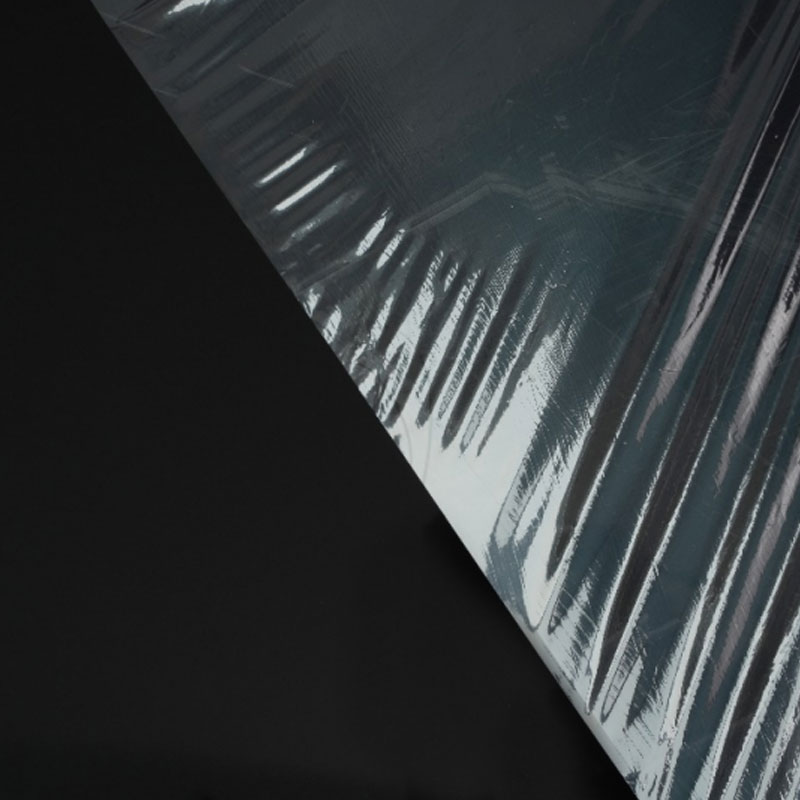
ไม่มี "เงาผี" หรือ "ตาปลา" หลังจากนำออก ระดับการยึดเกาะที่มั่นคง ทนต่อรังสี UV ได้นานถึง 6 เดือน สามารถพิมพ์โล...
ดูรายละเอียด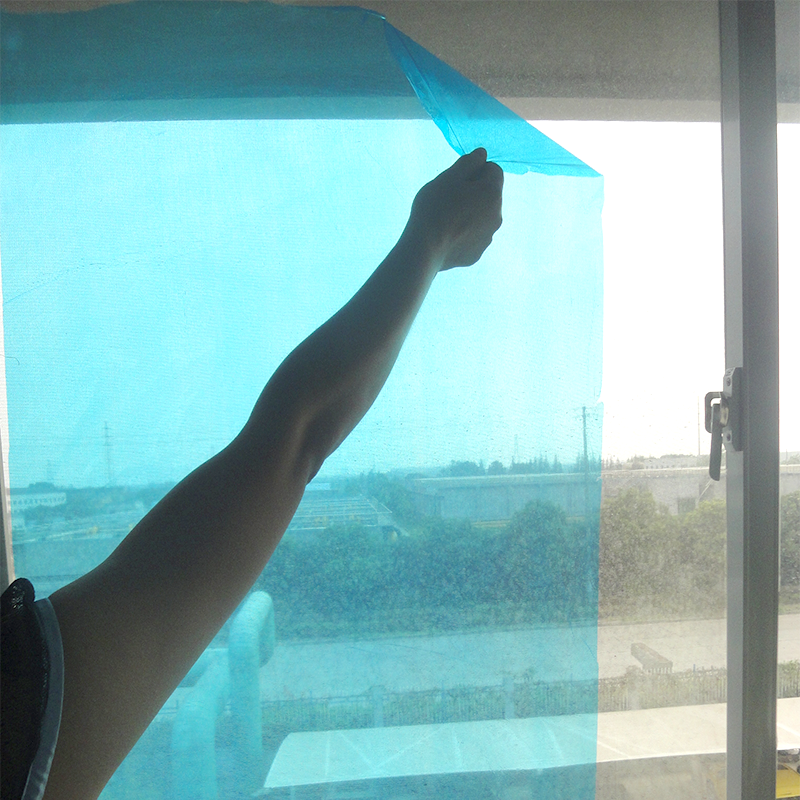
ปกป้องกระจกหน้าต่างจากการกระเซ็นของสี สิ่งสกปรก คราบสกปรก และการรั่วไหลในระหว่างการทาสี อาคาร ฉาบปูน ปูกระเบื้อง งานบำรุงรักษาทั่วไปและซ่อมแ...
ดูรายละเอียด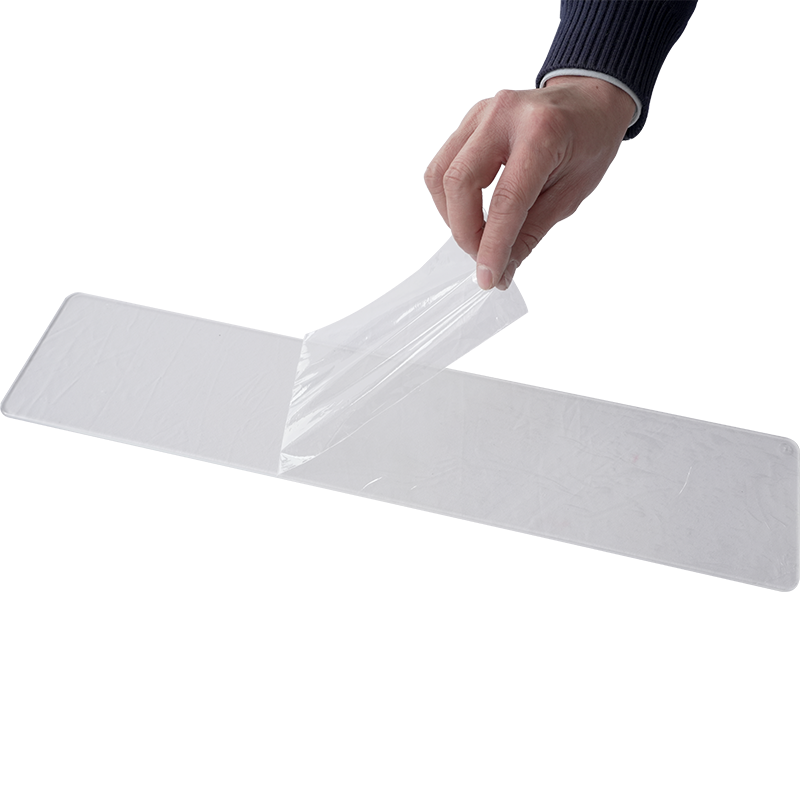
ไม่มี "เงาผี" หรือ "ตาปลา" หลังจากนำออก ปริมาณเจลต่ำ การยึดเกาะที่นุ่มนวลและมั่นคง พร้อมการลอกออกง่ายโดยไม่ทำให้พื้นผิวเสียหายหรือ...
ดูรายละเอียด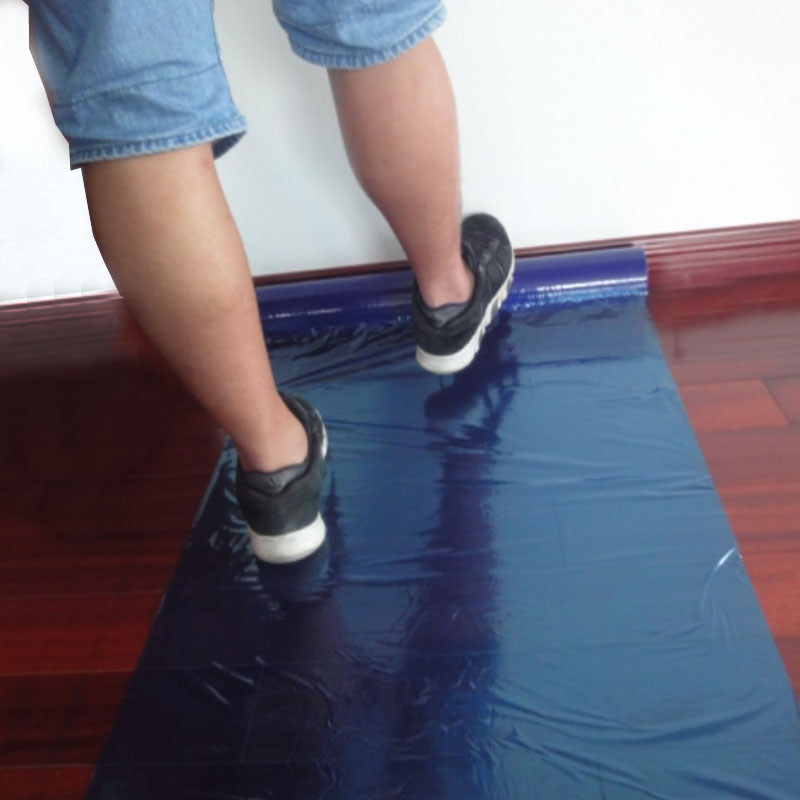
สูตรกาวที่ได้รับสิทธิบัตรเหมาะกับพื้นผิวแข็งทุกประเภท เช่น พื้นไม้เนื้อแข็ง พื้นลามิเนต เซรามิค หินอ่อน กระเบื้อง หินแกรนิต ไวนิล ท็อปครัว แ...
ดูรายละเอียด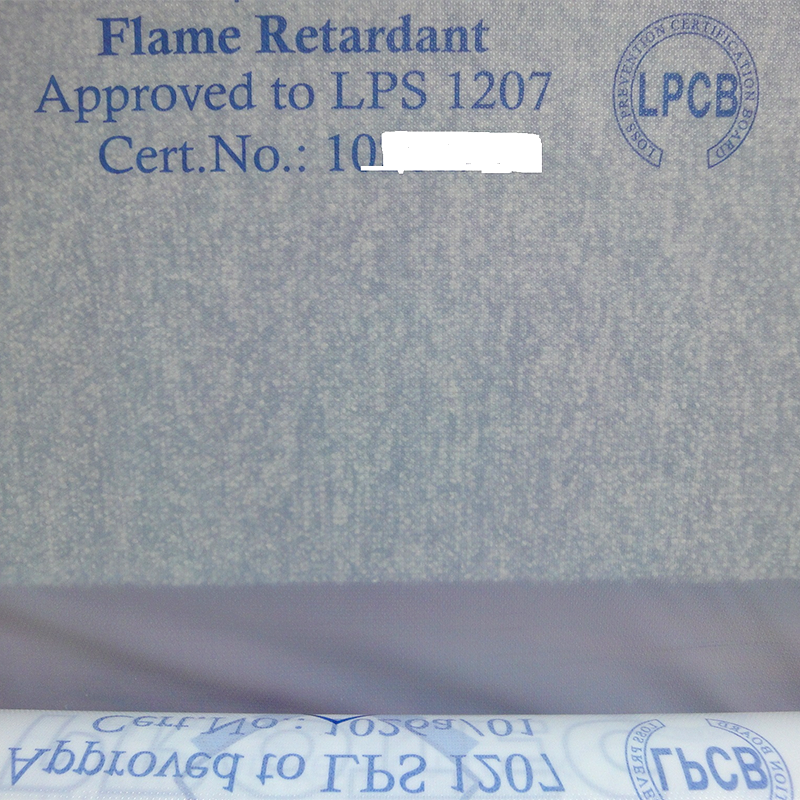
ป้องกันความเสียหายอันมีค่าใช้จ่ายสูงในกรณีไฟไหม้/เปลวไฟ เป็นไปตามมาตรฐานการทดสอบระหว่างประเทศที่เข้มงวดในการป้องกันการสูญเสีย ...
ดูรายละเอียด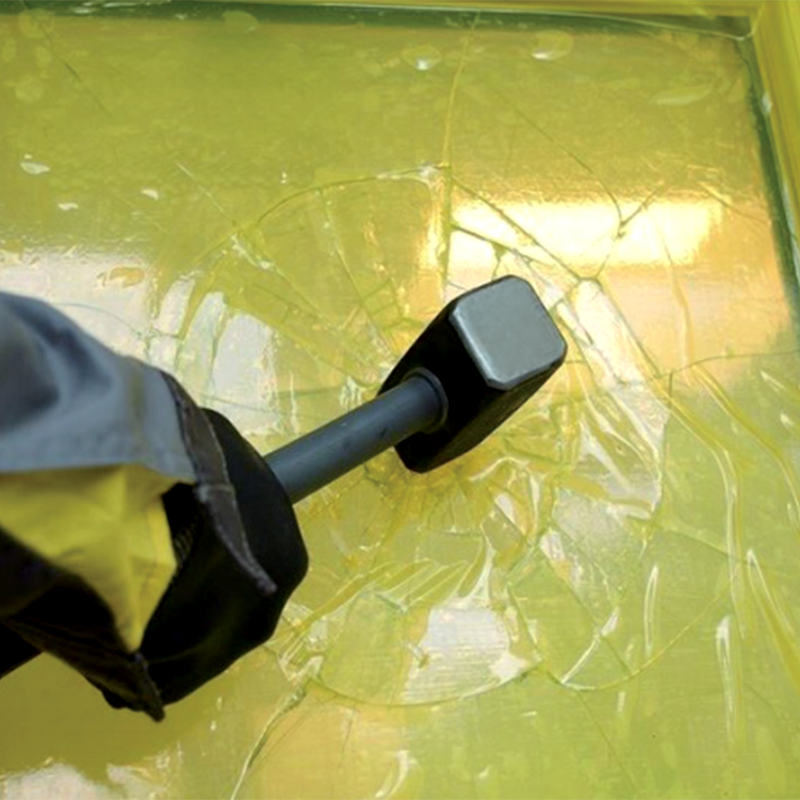
ฟิล์มโพลีเอทิลีนชนิดเหนียวพิเศษที่มีการยึดเกาะสูงเป็นพิเศษสามารถหยุดกระจกแตกและหลุดออกในระหว่างกระบวนการรื้อกระจกหน้าต่าง ฟิล์มป้อ...
ดูรายละเอียด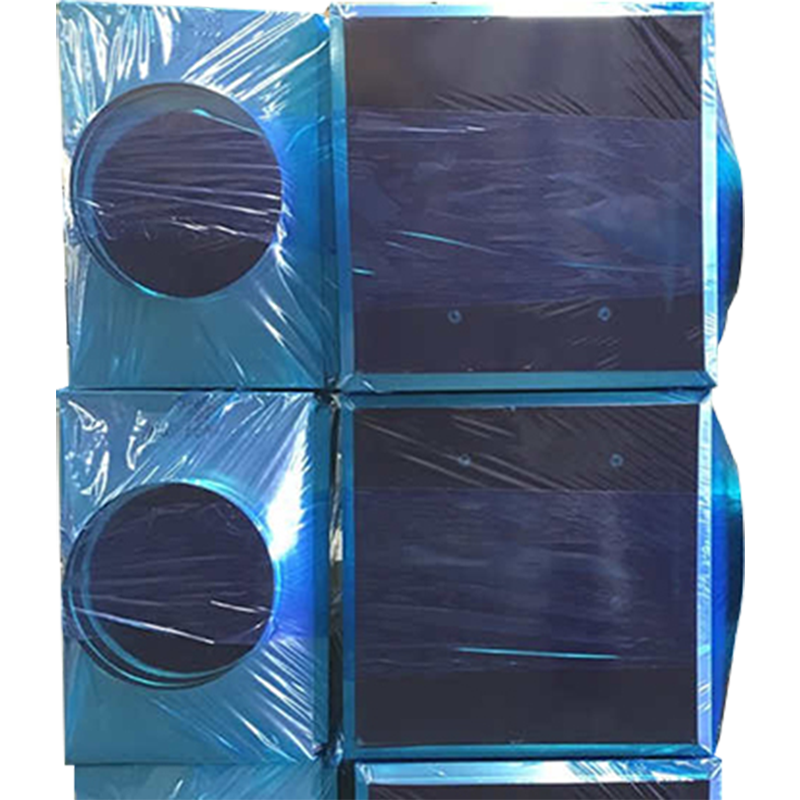
ฟิล์มโพลีเอทิลีนชนิดเหนียวพิเศษต้านทานการเจาะและการซึมผ่านของของเหลวและสิ่งสกปรกระหว่างการจัดเก็บ การขนส่ง และการติดตั้งระบบท่อ ให...
ดูรายละเอียด
กาวสูตรพิเศษช่วยให้ติดและลอกออกได้ง่ายโดยไม่ทิ้งกาวตกค้าง ฟิล์มโพลีเอทิลีนชนิดเหนียวพิเศษป้องกันรอยขีดข่วน สิ่งสกปรก เครื่องหมาย แ...
ดูรายละเอียด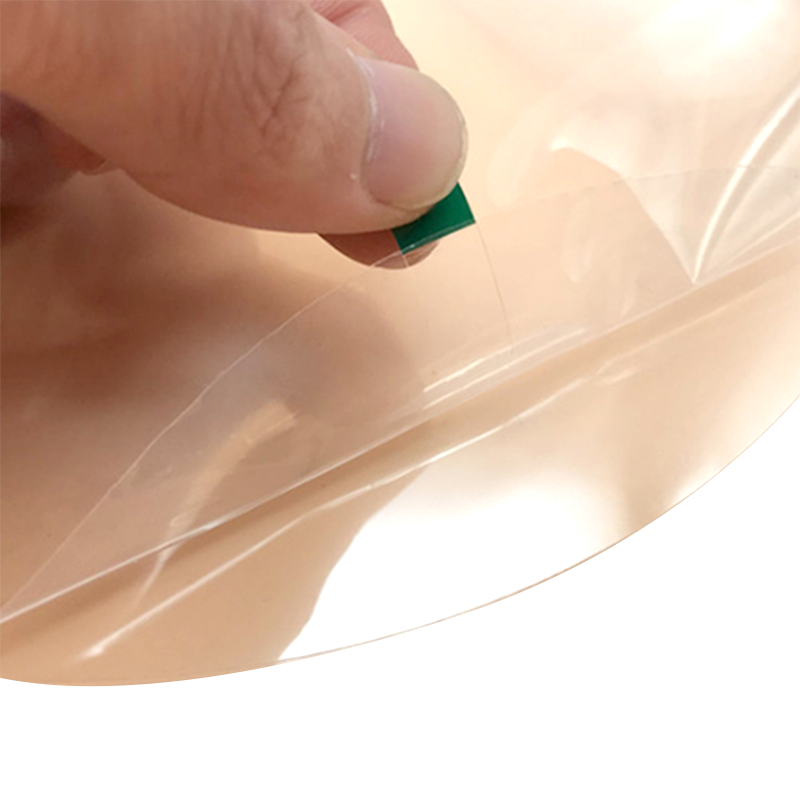
เหมาะสำหรับงานเจาะ ตัด กำหนดเส้นทาง เทอร์โมฟอร์ม การดัด หรือหลังการผลิตของแผ่นพลาสติก ไม่มี "เงาผี" หรือ "ตาปลา" หลังจากนำออก ...
ดูรายละเอียดเราเป็นพันธมิตรที่เชื่อถือได้ซึ่งกำหนดความเชี่ยวชาญของเราให้ประสบความสำเร็จสำหรับโครงการของคุณ

ลิขสิทธิ์ 2024 Wuxi Qida Tape Co., Ltd. สงวนลิขสิทธิ์
